Skip to Content

Blog Archives

What Rainwater Does to Your Fuel Tank and Why It Matters

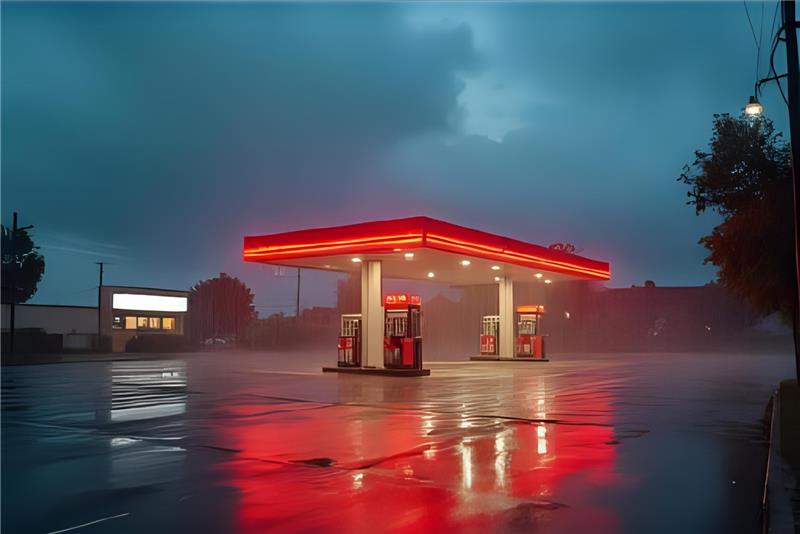
Fuel stations face many challenges, but one issue that often goes unnoticed is the effect of rainwater on underground fuel tanks. During the rainy season, water can find its way into tanks through damaged seals, cracked manhole covers, or poorly fitted tank openings. Even a small amount of water can lead to serious problems—not just for your equipment, but for your entire business. Fuel and water don’t mix well, and once contamination starts, it can quietly affect performance, safety, and your reputation before anyone realizes what’s happening.

How Water Gets In

Rainwater doesn’t need much space to enter a fuel tank. Cracked or loose manhole covers, worn gaskets, or misaligned tank openings can all create small entry points. During heavy rains or flooding, pressure builds up around older systems, making them more vulnerable to water intrusion. Poorly maintained vent pipes or full spill buckets can also become entryways for water, especially when inspections are skipped or delayed. Even well-kept stations can experience these problems if routine checks are not done regularly.

What Water Does to Fuel

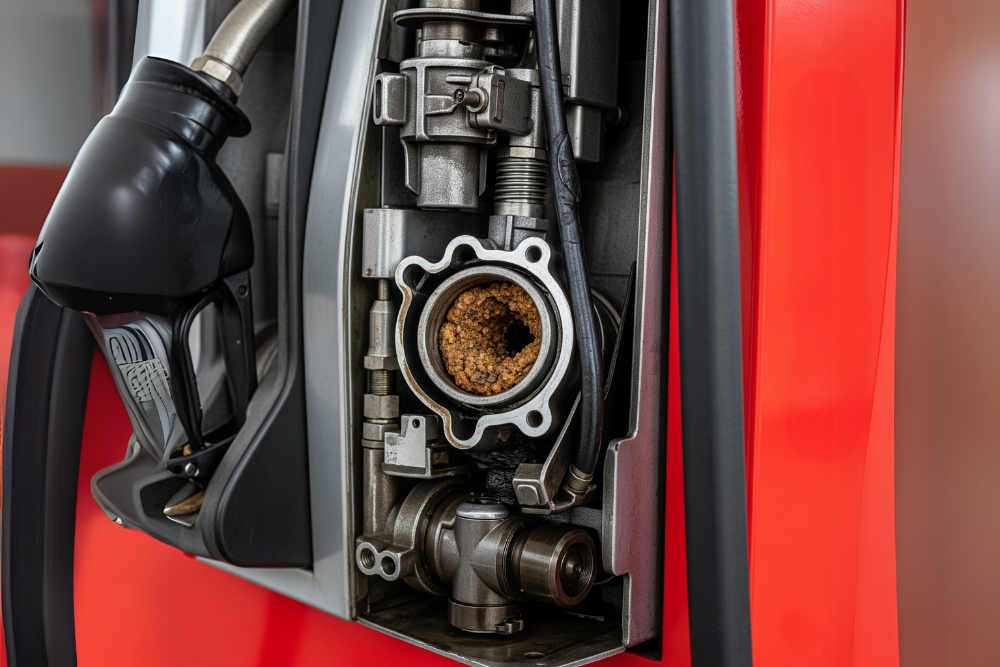
Once water enters the tank, it sinks to the bottom and creates an ideal environment for bacteria and fungi. These microbes produce sludge that clogs filters, corrodes pumps, and lowers fuel quality. Ethanol-blended gasoline is especially vulnerable, as water causes phase separation, leading to unstable fuel that harms engines. In diesel tanks, moisture speeds up rust and wears out components faster. The longer water stays unnoticed, the greater the damage.

Why It Hurts Your Business

Water contamination leads to more than equipment damage—it leads to financial losses. You may need to discard fuel, replace filters more often, and spend on repairs or cleaning. It also affects customer trust. Contaminated fuel can lead to engine trouble, complaints, or worse, accidents. Failing to prevent or catch contamination early can even result in fines or failed inspections. The cost of prevention is far less than the cost of cleanups and lost business.

What to Watch Out For

Signs of water contamination are not always obvious, especially without the right tools. Cloudy fuel, slow or sputtering pumps, clogged nozzles, and more frequent filter changes can all point to water in the tank. Staff should be trained to notice these signs, particularly during the rainy season. A tank gauge system with water detection can alert you early and help prevent these problems from spreading.

Final Thoughts

Rainwater is a quiet threat to your fuel system, but one you can control. By sealing manhole covers properly, maintaining vents, and using tank gauges with water detection, you reduce the risk of contamination and equipment damage. At TOIC Solutions, we provide fuel stations with dependable sealing products and tank monitoring systems designed for real-world use. If you want to prepare your station for the rainy season, we are here to help you take the right steps with confidence.

Why Choose TOIC Solutions?

Trans-Overseas Industrial Corporation (TOIC) Solutions, established in 1976, has been the trusted partner for fuel dispensers, fuel pumps, service station equipment, and the gas station industry in the Philippines. As a leading distributor of advanced fueling technology, we provide reliable, efficient, and durable solutions that enhance the performance of your fueling operations.

With years of expertise and strong partnerships with multinational corporations, TOIC delivers top-quality products, including automatic tank gauging, tank calibration, wetstock management, POS service station systems, and tank testing. If you’re looking to upgrade your fueling system, reduce operational costs, and ensure precision in every transaction, TOIC Solutions is the name to trust. Talk to us!

0 Continue Reading →

5 Common Mistakes When Starting a Petrol Station Business

Starting a petrol station business in the Philippines can be a golden opportunity. With rising fuel demand and a steady stream of motorists, the market looks promising. However, many entrepreneurs dive in without fully grasping the challenges involved. If you’re considering starting a petrol station, avoid these five common mistakes that can sink your investment.


1. Underestimating the Initial Investment

Many new petrol station owners think they can cut corners on startup costs. They forget about expenses like land acquisition or lease, permits, environmental compliance, and safety standards. Installing fuel tanks, pumps, and a canopy alone can cost millions. This doesn’t even include the cost of stocking fuel or hiring staff before you even stock fuel or hire staff. Without a solid financial plan and enough capital, you risk stalling your business before it even opens.


2. Choosing a Poor Location

A petrol station lives and dies by its location. Setting up in an area with low traffic, limited visibility, or strong competition can be a fatal error. You need to research the flow of vehicles, nearby businesses, and future developments in the area. It’s not just about finding a vacant lot; it’s about securing a prime spot where your business can thrive for years.


3. Neglecting Regulatory Requirements

The Philippines has strict regulations for petrol stations, covering everything from zoning to environmental standards. Too many entrepreneurs start building without the necessary permits, only to face fines, legal issues, or shutdown orders later. Skipping steps in the permitting process, like the Environmental Compliance Certificate (ECC) or Fire Safety Inspection Certificate, is a costly mistake. Always secure the paperwork before breaking ground.


4. Overlooking Safety and Environmental Measures

Fuel handling is risky, and safety must be the top priority. Some businesses skimp on proper storage tanks, fire safety systems, or staff training. This negligence can lead to accidents, environmental contamination, or even lawsuits. In the Philippines, where natural disasters like floods and earthquakes are common, designing your station to withstand these events is not optional—it’s a must.


5. Ignoring Marketing and Customer Service

A petrol station isn’t just about selling fuel; it’s also about building a customer base. Many owners think fuel sells itself and forget to promote their station. Offering loyalty programs, keeping the station clean, and training staff to provide excellent service can set you apart from competitors. Remember, motorists have choices—make them choose you.


Final Thoughts

Starting a petrol station in the Philippines isn’t just about having a good business plan; it’s about having the right equipment that meets safety standards, performs reliably, and keeps you compliant with regulations. Even if you avoid the common mistakes, a station built with subpar equipment will struggle to stay competitive.


That’s where TOIC Solutions makes a difference. From fuel pumps to storage tanks and essential safety systems, TOIC Solutions provides the equipment you need to build a petrol station that runs safely and efficiently. When it comes to fuel station success, the right equipment isn’t optional—it’s the foundation of your business.


Why Choose TOIC Solutions?

Trans-Overseas Industrial Corporation (TOIC) Solutions, established in 1976, has been the trusted partner for fuel dispensers, fuel pumps, service station equipment, and the gas station industry in the Philippines. As a leading distributor of advanced fueling technology, we provide reliable, efficient, and durable solutions that enhance the performance of your fueling operations.


With years of expertise and strong partnerships with multinational corporations, TOIC delivers top-quality products, including automatic tank gauging, tank calibration, wetstock management, POS service station systems, and tank testing. If you’re looking to upgrade your fueling system, reduce operational costs, and ensure precision in every transaction, TOIC Solutions is the name to trust. Talk to us!
0 Continue Reading →

Think You Have a Faulty Fuel Pump? Here’s What to Do

Delays at the pump may seem minor at first, but for a service station, even small inconsistencies can signal a serious operational issue. A faulty fuel pump doesn’t just affect dispensing; it can compromise system accuracy, disrupt transaction flows, and ultimately impact customer trust and revenue.

This blog will guide you on how to spot the signs of a faulty pump, understand what causes these issues, and the best ways to resolve them before they affect your entire operation.

Identifying the Signs

Irregular fuel flow is often an early warning sign of a larger issue. For instance, customers may notice slow dispensing, or your systems might report unusual readings. Additionally, if your wetstock management software shows volume discrepancies or your automatic tank gauging flags irregular tank levels, these could signal pump underperformance or failure. Beyond fuel flow, inconsistent performance can also disrupt other service station systems, resulting in downtime, reduced efficiency, and potential safety risks.

Understanding the Root Cause

Fuel pumps can fail for several reasons, including normal wear and tear, fuel contamination, or electrical faults. In other cases, outdated equipment may struggle to meet modern demands. Furthermore, incompatibility between older pumps and newer POS systems can cause transaction errors and lead to unreliable data.

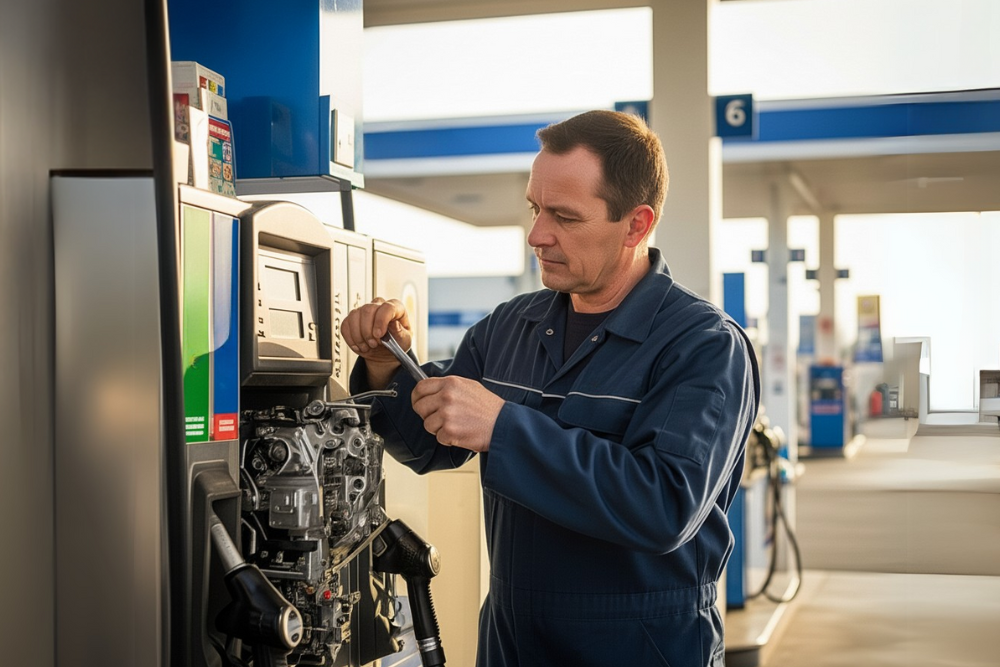
Pinpointing the problem requires accurate diagnostics. That’s why a professional technician assesses if it’s the pump or a system malfunction.

Why Equipment Upgrades Make a Difference

If your pumps or petrol equipment are aging or constantly needing repairs, upgrading may be more cost-effective than repeatedly patching issues. Modern fuel pumps, like the Latitude fuel dispensers, offer high-precision flow control, faster dispensing, and improved durability to meet today’s forecourt demands.

In addition, upgraded equipment improves operational control and supports compliance in areas such as tank calibration and testing. More importantly, modern solutions not only address current challenges but also help prevent similar issues from recurring in the future.

Preventive Maintenance is Key

Routine maintenance and monitoring through tools like wetstock management and automatic tank gauging are essential. These systems allow you to track fuel levels, spot anomalies early, and keep tanks in a safe, working condition. Moreover, regular tank calibration and scheduled testing help maintain inventory accuracy and ensure compliance with industry standards.

As a result, preventive strategies not only reduce downtime but also protect your station’s reputation and strengthen customer trust.

Conclusion

Addressing fuel pump issues promptly and keeping your infrastructure updated are vital for smooth operations and customer satisfaction. Reliable pumps, accurate monitoring systems, and proactive maintenance keep your business running efficiently and safely.

For service station operators seeking trusted solutions, TOIC offers premium fuel pumps, dispensers, petrol equipment, and technical support. Our team provides everything from equipment upgrades to wetstock management and maintenance, helping your station operate at peak performance, now and into the future.

Why Choose TOIC Solutions?

Trans-Overseas Industrial Corporation (TOIC) Solutions, established in 1976, has been the trusted partner for fuel dispensers, fuel pumps, service station equipment, and the gas station industry in the Philippines. As a leading distributor of advanced fueling technology. We provide reliable, efficient, and durable solutions that enhance the performance of your fueling operations.

With years of expertise and strong partnerships with multinational corporations, TOIC delivers top-quality products, including automatic tank gauging, tank calibration, wetstock management, POS service station systems, and tank testing. If you’re looking to upgrade your fueling system, reduce operational costs, and ensure precision in every transaction. TOIC Solutions is the name to trust. Talk to us!

0 Continue Reading →

Top Signs Your Fuel Dispensers Need Repair or Replacement

Fuel dispensers are essential to the daily operations of any fueling station. Their performance directly impacts service efficiency, safety, and revenue. However, like all mechanical equipment, dispensers are subject to wear and degradation over time.

Recognizing early signs of malfunction or obsolescence is essential to avoid unplanned downtime, financial losses, and compliance issues. In this article, we’ll highlight the key signs that indicate when fuel dispensers need repair or when a full replacement should be considered.

Inaccurate Fuel Dispensing

If you’re receiving complaints about incorrect fuel volumes or if internal audits show discrepancies, your dispenser’s metering system may be malfunctioning. Even small measurement errors can lead to revenue loss and customer distrust.

Slow or Unresponsive Flow Rates

A noticeable decrease in fuel flow or delays during pumping could signal clogged filters, worn-out components, or fuel line issues. This not only disrupts service but also increases customer wait times, impacting your overall efficiency.

Frequent Breakdowns or Repairs

Are you calling for maintenance more often than usual? Constant servicing is a sign that your dispensers are no longer reliable. Investing in modern, durable equipment can reduce recurring costs and prevent unplanned downtime.

Lacks Modern Payment Integration

If your dispensers don’t support automated payments, contactless transactions, or modern POS integrations, they may be holding your business back. Today’s customers expect quick and seamless transactions, and outdated systems could cost you sales.

Visible Wear and Tear

Cracked displays, faded labels, leaking hoses, or rusted components are more than cosmetic issues—they’re potential safety risks. Physical deterioration can also give customers the impression that your station is poorly maintained.

Compliance Issues

Local and international fuel regulations change frequently. If your dispensers don’t meet the latest environmental, safety, or metering standards, you risk facing fines, penalties, or even shutdowns. Upgrading to dispensers that meet DOE, DENR, or international certification requirements ensures you’re audit-ready and fully compliant.

Increased Operational Costs

Old or inefficient dispensers often consume more energy and require frequent part replacements. These hidden costs add up over time. Replacing them with energy-efficient dispensers can cut expenses and improve your margins.

Conclusion

Fuel dispensers play a vital role in maintaining the integrity and efficiency of your fueling operations. Ignoring signs of wear, malfunction, or outdated technology can lead to serious operational disruptions, safety hazards, and customer dissatisfaction. Proactively addressing these issues—whether through timely repairs or strategic replacements—ensures continued reliability, compliance, and profitability.

At Trans-Overseas Industrial Corporation (TOIC), we are committed to helping you maintain high-performing and future-ready fueling systems. Our team offers expert guidance, diagnostics, and advanced dispenser solutions tailored to meet the demands of your business.

Why Choose TOIC Solutions?

Trans-Overseas Industrial Corporation (TOIC) Solutions, established in 1976, has been the trusted partner for fuel dispensers, fuel pumps, service station equipment, and the gas station industry in the Philippines. As a leading distributor of advanced fueling technology, we provide reliable, efficient, and durable solutions that enhance the performance of your fueling operations.

With years of expertise and strong partnerships with multinational corporations, TOIC delivers top-quality products, including automatic tank gauging, tank calibration, wetstock management, POS service station systems, and tank testing. If you’re looking to upgrade your fueling system, reduce operational costs, and ensure precision in every transaction, TOIC Solutions is the name to trust. Talk to us!
0 Continue Reading →

Is Investing in New Dispensers the Right Move for You?

In the fuel retail and petroleum industries, every second matters, and so does every drop of fuel. As customer expectations rise and regulatory standards become more stringent, fuel station operators and business owners must continuously assess the performance and reliability of their equipment. One of the most important, yet often overlooked, assets in your forecourt is the fuel dispensers.

If your dispensers are outdated, inefficient, or prone to frequent repairs, they may be costing you more than you realize—whether in time, money, or customer trust. Is upgrading to new dispensers the right move? Explore how upgrading fuel dispensers can improve efficiency, cut costs, and support your station’s long-term growth and success.

Improved Accuracy = Reduced Losses

Old or malfunctioning dispensers can cause discrepancies in fuel delivery, leading to revenue loss and customer dissatisfaction. Modern fuel dispensers are equipped with advanced metering systems and real-time monitoring, ensuring accurate fuel measurement and minimizing costly errors.

Faster, Smarter Transactions

New dispensers often come with integrated payment solutions, touchscreens, and enhanced interfaces that speed up the fueling process. These features help streamline operations, reduce queue times, and improve the customer experience—especially important in high-traffic stations.

Enhanced Safety and Compliance

Fuel dispensing involves safety risks and regulatory requirements. New models come with updated safety protocols and built-in leak detection. They help meet industry standards and prevent costly penalties or downtime.

Energy Efficiency and Sustainability

Upgrading to energy-efficient dispensers helps reduce power consumption and supports sustainability goals. Newer models are designed to be eco-friendly, reducing your carbon footprint while keeping operational costs low.

Long-Term Cost Savings

Although the upfront investment may seem high, new dispensers lead to long-term savings through reduced maintenance, fewer operational disruptions, and improved fuel accountability. They are also easier to service and upgrade, which means you’ll spend less time and money on repairs.

Future-Proofing Your Business

Consumer expectations and industry technologies continue to evolve. Modern dispensers can integrate with point-of-sale systems, fleet management software, and even mobile payment platforms, positioning your business for growth and long-term success.

Conclusion

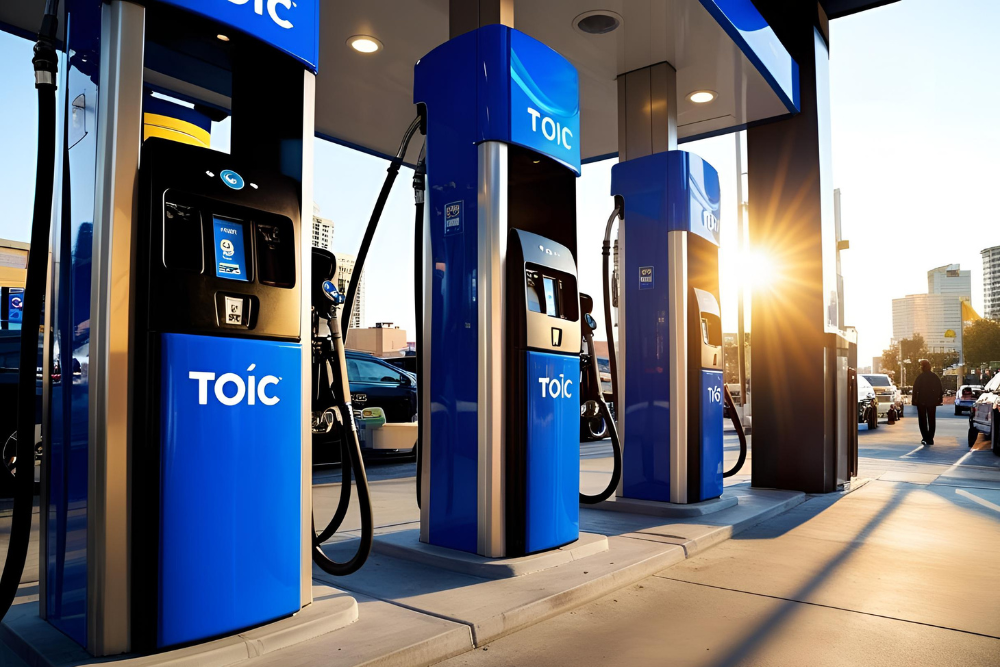
Upgrading to new fuel dispensers isn’t just about staying current—it’s about leveling up your station’s performance. The Latitude Fuel Dispenser delivers faster transactions, accurate fueling, and built-in safety features that help streamline operations and meet compliance with confidence. TOIC offers this solution to support fuel stations aiming for efficiency, reliability, and long-term success.

Trans-Overseas Industrial Corporation (TOIC) understands the demands of your business. That’s why we offer advanced and reliable fueling solutions to boost operational efficiency and ensure full compliance. These systems also enhance the customer experience at every touchpoint.

Why Choose TOIC Solutions?

Trans-Overseas Industrial Corporation (TOIC) Solutions, established in 1976, has been the trusted partner for fuel dispensers, fuel pumps, service station equipment, and the gas station industry in the Philippines. As a leading distributor of advanced fueling technology, we provide reliable, efficient, and durable solutions that enhance the performance of your fueling operations.

With years of expertise and strong partnerships with multinational corporations, TOIC delivers top-quality products, including automatic tank gauging, tank calibration, wetstock management, POS service station systems, and tank testing. If you’re looking to upgrade your fueling system, reduce operational costs, and ensure precision in every transaction, TOIC Solutions is the name to trust. Talk to us!
0 Continue Reading →

Why Latitude Dispensers Are Key to Efficient Fueling Systems

Is your fuel station running as efficiently as it could be? With operating costs on the rise and customer expectations at an all-time high, every part of your fueling operation must work seamlessly. Choosing the right dispensers is no longer just about moving fuel from tank to vehicle. It is about creating a forecourt experience that is fast, reliable, and built for long-term success.

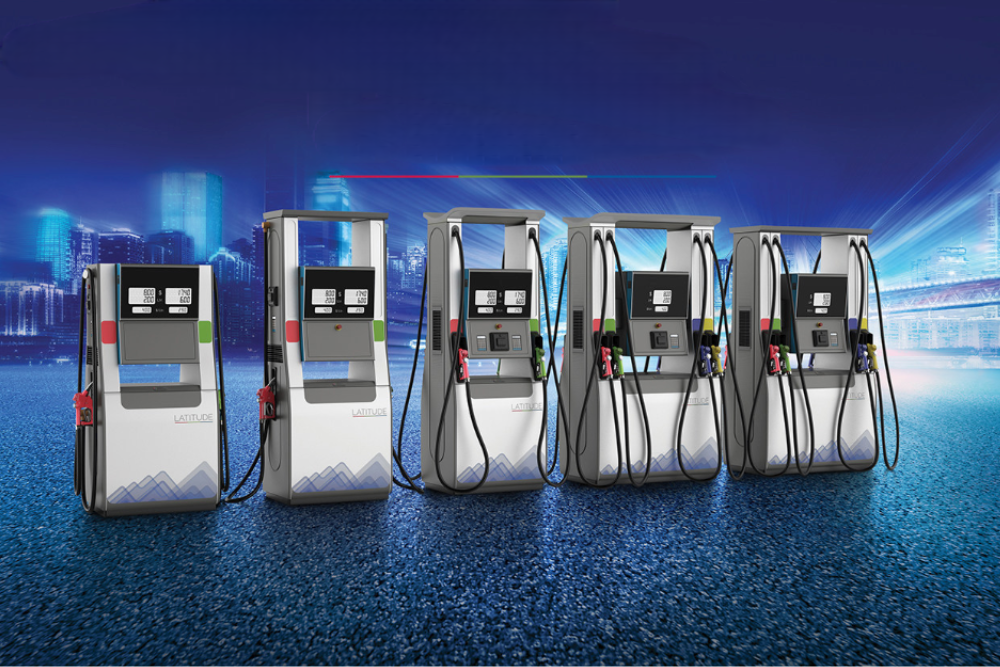
Latitude dispensers are designed to meet these needs head-on. From increased efficiency and enhanced security to user comfort and smart monitoring, they help fuel retailers manage their operations better, especially where speed and consistency matter most. Here’s why they make a difference:

Built for Speed and Efficiency

Speed matters at your station. Every minute saved at the pump can help move more vehicles and reduce congestion. Latitude dispensers are equipped with SmartFlow and Opti-flow Hydraulics, offering a 10% increase in suction lift and improved fuel flow. This ensures faster fueling times and a more seamless customer experience, especially during peak hours.

Secures Every Drop

Fuel shrinkage and unauthorized access are serious concerns for station owners. Latitude dispensers come with intelligent electronic boards that communicate securely and block foreign components. The system instantly stops fueling when it detects tampering. This automatic safeguard protects your fuel and adds a layer of accountability to your site.

Comfortable and Easy to Use

The designers built Latitude with the people who use it in mind. Nozzles, hoses, and keypads are positioned at comfortable working heights to reduce strain. Whether it is your staff operating the dispenser or a customer fueling their vehicle, the experience is intuitive, smooth, and efficient.

Ready for Modern Payments

Speed and convenience extend to payments too. Latitude supports contactless card payments, mobile wallets, and loyalty programs. These features help reduce wait times and meet modern customer expectations, giving your site a competitive advantage.

Monitor Your Operations Anywhere

With Insite360 integration, you gain full visibility of dispenser performance from any location. You can monitor trends, receive alerts, and access real-time data to make smarter operational decisions. Whether managing a single station or multiple locations, you stay informed and in control.

Built for Long-Term Performance

Latitude dispensers are engineered for durability and flexibility. Their modular design makes servicing easier and allows for simple upgrades. This helps extend product life, reduce costs, and ensure your equipment evolves with your business.

Conclusion

Running a successful fuel station means more than just having fuel on hand. It means having the right tools to operate smarter, faster, and with more confidence.

Latitude offers that solution. At TOIC Solutions, we help fuel retailers invest in systems that support long-term growth, improve daily performance, and keep forecourts running at their best.

Why Choose TOIC Solutions?

Trans-Overseas Industrial Corporation (TOIC) Solutions, established in 1976, has been the trusted partner for fuel dispensers, fuel pumps, service station equipment, and the gas station industry in the Philippines. As a leading distributor of advanced fueling technology, we provide reliable, efficient, and durable solutions that enhance the performance of your fueling operations.

With years of expertise and strong partnerships with multinational corporations, TOIC delivers top-quality products, including automatic tank gauging, tank calibration, wetstock management, POS service station systems, and tank testing. If you’re looking to upgrade your fueling system, reduce operational costs, and ensure precision in every transaction, TOIC Solutions is the name to trust. Talk to us!
0 Continue Reading →

Choosing the Right Fuel Dispenser: What You Need to Know

Selecting the right fuel dispenser is crucial for maximizing efficiency, profitability, and customer satisfaction at your fueling station. To ensure that your business operates smoothly and effectively, it’s essential to approach this decision with careful consideration. When evaluating fuel dispensers, it’s essential to consider models that offer a balance of efficiency, security, and customer experience.


Key Considerations for Choosing a Fuel Dispenser

  1. Flow Rate: High flow rates suit high-volume stations, while lower rates suit smaller ones. Ensure the dispenser can handle the required throughput efficiently.
  2. Fuel Compatibility: Ensure compatibility with various fuel types, including gasoline, diesel, and biofuels. This is crucial for stations offering multiple fuel options.
  3. Safety Features: Essential features include automatic shut-off and grounding. Robust security measures are also important to prevent fraud and tampering.
  4. Brand Reputation and Customer Support: Choose a reputable manufacturer with reliable products and excellent support. This ensures you receive quality equipment and timely assistance when needed.
  5. Maintenance Requirements: Regular maintenance is necessary. Opt for dispensers with designs that minimize maintenance needs, such as easy-to-clean surfaces.
  6. Environmental and Operational Durability: Consider dispensers that withstand extreme weather conditions and high traffic volumes, ensuring minimal downtime and maintenance.
  7. Technological Advancements: Opt for dispensers with advanced features like real-time monitoring and streamlined calibration to reduce operational disruptions.
  8. Security and Reliability: Ensure robust security measures, such as tamper-proof designs and encrypted communication protocols, to protect against fraud.


By considering these factors, businesses can select a dispenser that meets current needs and prepares them for future challenges. One such dispenser that stands out for its future-ready design and innovative features is the Latitude Fuel Dispenser.


The Latitude Fuel Dispenser: A Future-Ready Solution

The Latitude Fuel Dispenser by Gilbarco Veeder-Root offers a comprehensive suite of features that enhance efficiency, security, and customer experience.

  • Enhanced Security: Features include eLock asset protection and secure pulser design.
  • PowerSafe Electronics: Engineered to tolerate harsh voltage fluctuations.
  • Practical Design: Reduces dust accumulation and maintenance needs.
  • EasyView Display: Increases customer trust with visible digital numbering.
  • Ergonomics and Usability: User interface components are positioned at ergonomic heights.
  • Streamlined Calibration: Simplified procedures with secure pulser switches.


Conclusion

Choosing the right fuel dispenser is important for efficiency and profitability. The Latitude Fuel Dispenser is an excellent choice for businesses seeking to enhance customer experience and operational efficiency. For businesses in the Philippines, TOIC Solutions provides access to high-quality fuel dispensers and integrated solutions. By integrating the Latitude dispenser, businesses can ensure they are well-equipped to meet the demands of the fuel retail industry.

Why Choose TOIC Solutions?

Trans-Overseas Industrial Corporation (TOIC) Solutions, established in 1976, has been the trusted partner for fuel dispensers, fuel pumps, and service station equipment, and the gas station business in the Philippines. As a leading distributor of advanced fueling technology, we provide reliable, efficient, and durable solutions that enhance the performance of your fueling operations.

With years of expertise and strong partnerships with multinational corporations, TOIC delivers top-quality products, including automatic tank gauging, tank calibration, wetstock management, and POS service station systems, and tank testing. If you’re looking to upgrade your fueling system, reduce operational costs, and ensure precision in every transaction, TOIC Solutions is the name to trust. Talk to us!
0 Continue Reading →